
How Preventive Dentistry in Marlton, NJ Protects Smiles
Published on May 1, 2026 | 7 minute read
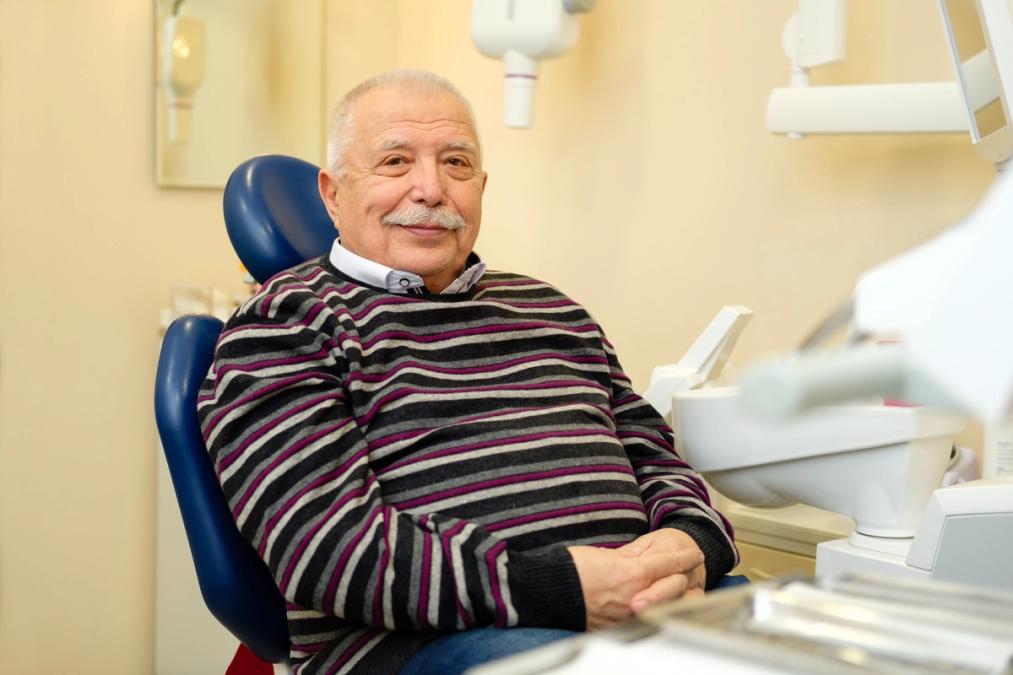
If you’ve ever had a toothache appear out of nowhere—or found out you needed a filling even though “everything felt fine”—you’ve already learned the tricky part about dental problems: they often start quietly. That’s exactly why preventive dentistry matters. It’s not just a routine cleaning. It’s a strategy for keeping your teeth and gums stable, catching small issues early, and protecting your smile through every stage of life.
At Marlton Modern Dentistry, preventive dentistry is built around thorough cleanings, detailed examinations, and personalized education—so your routine actually fits your real-life habits. Whether you’re bringing in a child for a first visit, keeping your own smile healthy with a busy schedule, or getting back on track after a long break, this guide walks you through what preventive dentistry includes and how to make it work for your family.
What Preventive Dentistry Includes (And Why It’s More Than “Just A Cleaning”)
Preventive dentistry works best when multiple pieces work together. Each step adds a layer of protection.
Professional Cleanings
Even with great brushing, plaque can harden into tartar around the gumline and between teeth. Once tartar forms, a toothbrush can’t remove it. Professional cleanings gently remove plaque and tartar buildup, polish the teeth, and reduce inflammation triggers that lead to bleeding gums and bad breath.
Comprehensive Exams
A preventive exam evaluates more than cavities. It checks:
- Tooth surfaces and between-tooth risk areas
- Existing fillings or crowns for wear and leakage
- Early cracking or bite stress patterns
- Gum health (including inflammation and pocket depth changes)
- Soft tissues for overall oral wellness
The goal is clarity: what’s healthy, what’s changing, and what you can do now to avoid bigger problems later.
Digital Imaging When Needed
Some of the most common cavity locations are the hardest to see—between teeth or under older restorations. Imaging helps spot early changes that may not be visible yet and helps confirm that teeth and supporting structures are stable.
Education That Fits Your Routine
A prevention plan should feel doable. During preventive visits, your team can help you improve brushing technique, choose the right between-teeth cleaning tool, and adjust habits that increase risk—without giving you a complicated to-do list you’ll never follow.
How Often Should You Schedule Preventive Visits?
Many patients do best with a six-month rhythm, but prevention is personal. Your ideal schedule depends on factors like:
- How easily your gums inflame
- Your cavity history
- Crowding that makes cleaning harder
- Dry mouth (often related to medications)
- Snacking frequency and dietary patterns
- Orthodontic aligners, attachments, or ongoing cosmetic/restorative work
The goal is not “more dentistry.” The goal is a cadence that keeps you stable so treatment stays minimal.
Preventive Dentistry For Kids: What Parents Should Know
Prevention is especially powerful in childhood because it sets habits early and protects the adult teeth as they arrive.
Early Visits Build Comfort
Kids who start early tend to feel less anxious long-term. Early visits are about familiarization, gentle exams, and coaching—not judgment.
Building Real Brushing Skills
Most kids (and many adults) brush too quickly or miss the gumline. Small technique adjustments—like angle and timing—make a huge difference, especially for cavity-prone back teeth.
Diet And “Frequency”
Kids can do everything right and still get cavities if they snack constantly. It’s not just sugar; it’s how often teeth are exposed to acids. Encouraging water between snacks and limiting “grazing” can protect enamel.
When To Ask About Extra Protection
If a child has deep grooves in back teeth or a strong cavity history, protective steps may be recommended as part of a personalized prevention plan.
Preventive Dentistry For Busy Adults
Adults often juggle coffee, meetings, commuting, kids’ schedules, and late-night snacks. That’s real life—and prevention can work within it.
The Two-Minute Brush That Actually Works
Brush twice daily for a full two minutes, using gentle pressure and angling toward the gumline. Scrubbing harder doesn’t clean better—it can irritate gums and wear enamel near the gumline.
Between-Teeth Cleaning Without The Drama
Flossing is important, but the best tool is the one you will use daily. Options include floss, floss picks, interdental brushes, and water flossers. Consistency matters more than perfection.
Dry Mouth Is A Hidden Risk Factor
Dry mouth increases cavity risk because saliva helps neutralize acids. If you wake up dry or sip water constantly to feel comfortable, mention it. A prevention plan can be adjusted to protect enamel and reduce sensitivity.
Gum Health: The Foundation Most People Overlook
Gums that bleed when you brush or floss are not “normal.” Bleeding is often inflammation—and inflammation is reversible early on. Preventive visits reduce plaque buildup, monitor gum changes, and help you keep the foundation strong. Healthy gums make everything else easier: fresh breath, comfortable brushing, and better long-term stability.
What If You Haven’t Been In A While?
Many people delay dental visits because of anxiety, time, or past experiences. If that’s you, you’re not alone. Preventive dentistry is often the best way to restart because it focuses on:
- A clear baseline assessment
- Gentle, step-by-step progress
- Practical guidance for home care
- A plan that prioritizes comfort and predictability
The goal is forward motion—not blame.
The Simple Prevention Checklist That Makes A Big Difference
If you want a prevention plan that works, focus on these basics:
- Brush twice daily with a soft brush
- Clean between teeth once daily
- Drink water often, especially after snacks
- Keep preventive visits consistent
- Address clenching/grinding if it’s contributing to wear
- Don’t ignore bleeding or lingering sensitivity
These small habits are what keep dentistry minimal over time.
Your Next Step For A Lower-Stress Smile
If you want cleaner teeth, healthier gums, and fewer surprises, start with a prevention-first plan. Call Marlton Modern Dentistry at 856-702-0777 to Book an Appointment for preventive dentistry in Marlton, NJ.